

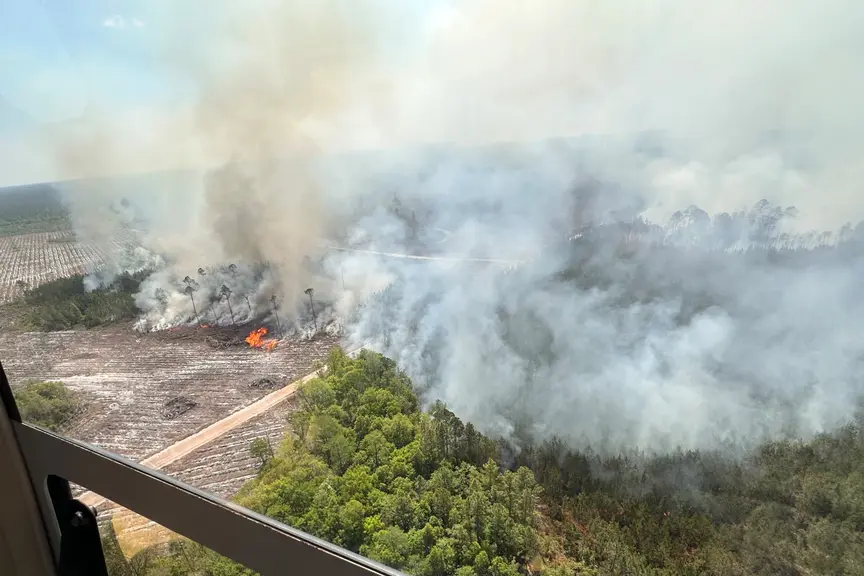
A Georgia wildfire signals rising wildfire threats across the eastern United States.

Wildfires Surge in Eastern US Amid Climate Shift
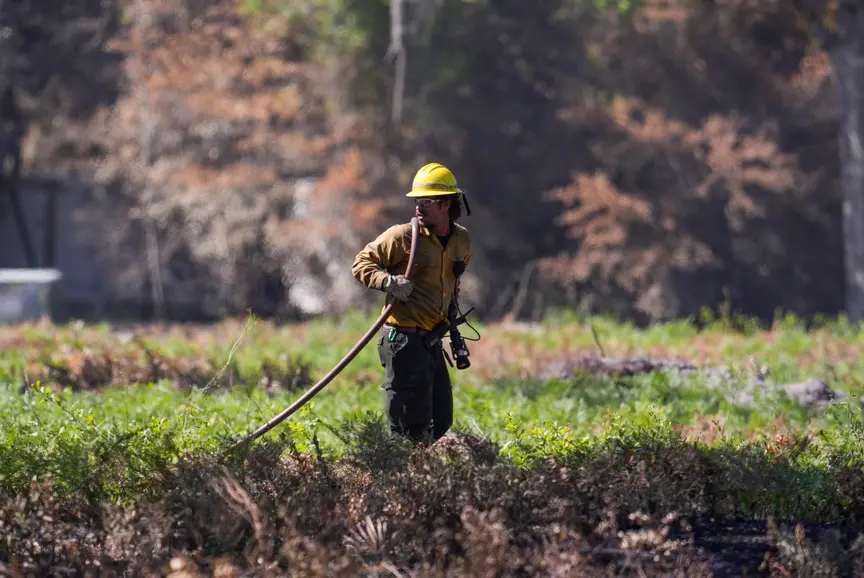
"A Georgia wildfire signals rising wildfire threats across the eastern United States."
Wildfires Expand Beyond the Western United States A destructive wildfire in Georgia that burned more than 50 homes is underscoring a growing shift in wildfire patterns. Scientists warn that wildfires are no longer confined to the western United States, with the eastern region now experiencing more frequent, intense and damaging fires driven largely by changing climate conditions.
Changing Climate Conditions Increase Fire Risk Historically, the eastern United States has not faced the same level of wildfire threats as states like California. However, rising temperatures are drying out vegetation, making forests more flammable. This year, wildfires have already burned significantly more land than average across the country, including in less typical regions such as Nebraska.
Storm Damage Creates Dangerous Fuel One major factor contributing to the increased risk is the aftermath of Hurricane Helene, which left behind tens of millions of tons of fallen trees. These dead trees act as dry fuel, creating conditions that experts describe as a “ticking time bomb.” Combined with ongoing drought and unusually warm weather, the potential for fires to ignite and spread rapidly has increased.
Higher Risk in Populated Areas The eastern United States also faces unique challenges due to dense forests and population patterns. Many fires occur in the wildland-urban interface, where residential areas meet forested land. This means that even relatively small fires can cause significant damage because they are more likely to threaten homes and communities.
Worsening Conditions Linked to Climate Change Climate change is also affecting atmospheric conditions. Warmer air draws moisture from vegetation more efficiently, drying it out faster and making it easier for fires to start and more difficult to contain. These conditions contribute to longer fire seasons and increasingly intense wildfires.
A Growing Concern for the Future Researchers caution that while eastern wildfires may still be smaller than those in the West, the upward trend is clear. They stress the need for preparation and mitigation efforts now, as the region faces a future where wildfire risk continues to rise alongside changing environmental conditions.
By Bettye Hays — Weather
Meteorologist and columnist specializing in weather and climate reporting. She has contributed to several national newspapers and provides accurate forecasts and analysis on seasonal changes, rainfall...