
Scientists warn climate change could wipe out tens of thousands of plant species this century.

Climate Change Threatens Thousands of Plant Species
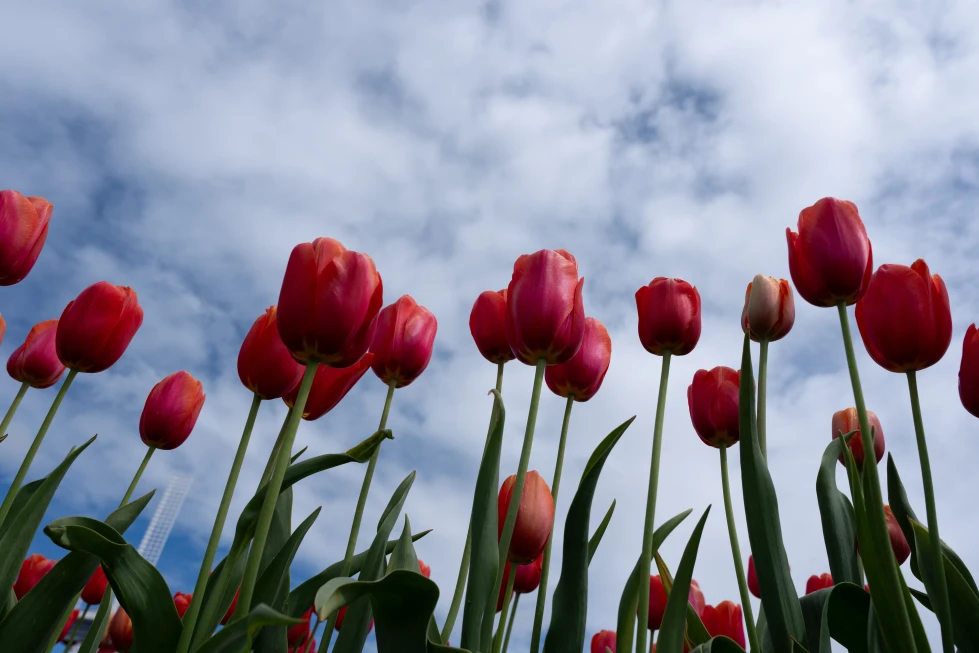
"Scientists warn climate change could wipe out tens of thousands of plant species this century."
Scientists warn that climate change is putting the world’s plants at severe risk, with tens of thousands of species likely to disappear by the end of the century. While global warming discussions often focus on animals such as polar bears, researchers say plants are equally critical and far more overlooked.
A study published in the journal Science found that between 7% and 16% of the world’s plant species could lose at least 90% of their habitat within the next 55 to 75 years under moderate carbon pollution scenarios. According to study co-author Xiaoli Dong of University of California Davis, this could mean the extinction of roughly 35,000 to 50,000 plant species, with even greater losses if pollution levels rise further.
“The warming rate drives the extinction,” Dong said.
Researchers used climate and biology computer models to study the potential future of 18% of the world’s plant species in detail. The findings suggest that even if plants migrate toward cooler climates as quickly as possible, many species still will not survive because the environments they depend on will no longer exist.
Scientists have long believed plants could adapt by shifting toward higher altitudes or cooler regions through dispersal by wind, water or animals. While this movement has been observed in nature and sometimes aided by human conservation efforts, Dong’s simulations showed migration alone cannot prevent large-scale extinctions.
“It is not because they are not moving fast enough,” Dong explained. “It’s because the habitats they depend on will no longer exist.”
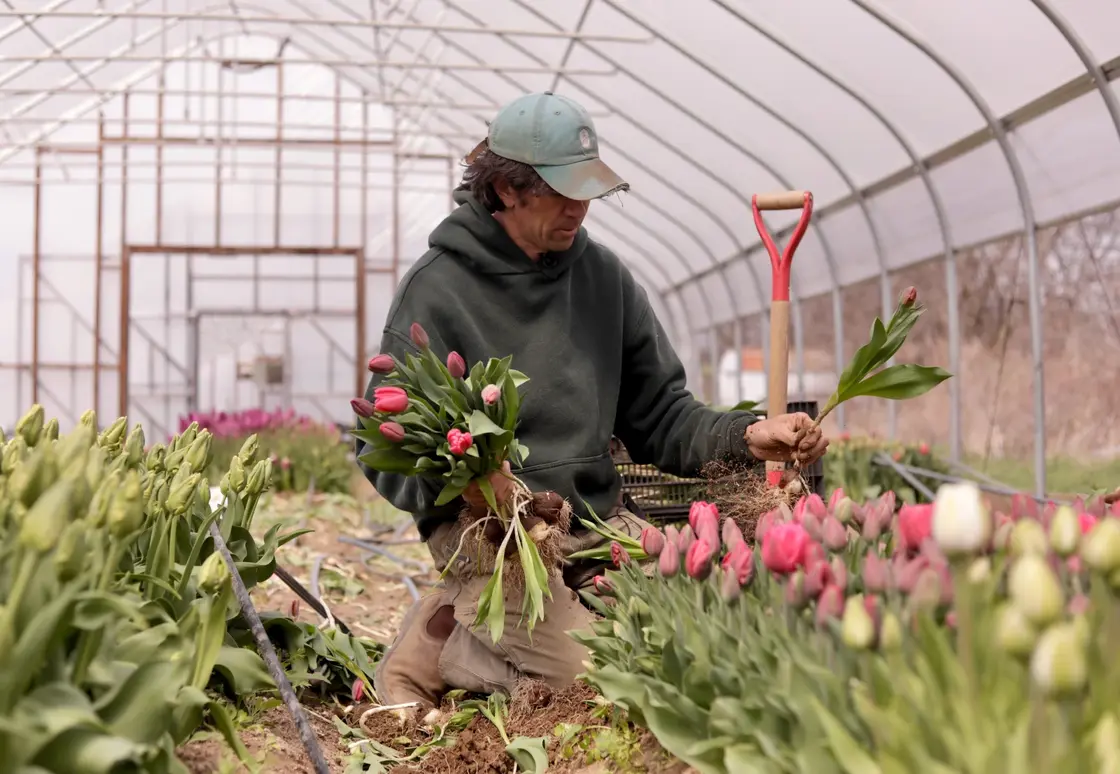
Climate change alters critical environmental conditions including temperature, rainfall and soil compatibility. Dong used tulips as an example, explaining that the ideal combination of soil, rain and temperature has become fragmented as weather patterns shift.
“The perfect condition required by this tulip has become really small,” she said.
The study identified the Arctic, the Mediterranean and Australia as especially vulnerable regions. Arctic warming is occurring four times faster than the global average, while rainfall changes are driving much of the threat in Australia.
A second study published in Science focused on flowering plants, which include more than 335,000 species worldwide. Scientists from Kew Gardens found nearly 10,000 flowering plant species are already in danger of extinction.
The study warned that many of these plants are evolutionarily unique, meaning their disappearance would erase a significant portion of Earth’s biological history. Researchers estimated that 21% of Earth’s “tree of life” could vanish with them.
Among the endangered species are unusual plants such as titan arum, often called the world’s smelliest plant, and orchids that produce vanilla. Study lead author Felix Forest said flowering plants hold more evolutionary history at risk than nearly any other group of organisms except turtles and tortoises.
Some species, such as Ginkgo biloba, have no close relatives, making their extinction especially significant because they represent hundreds of millions of years of evolution.
Researchers say plant extinction often receives far less public attention than the loss of animals.
“We’re trying to redress that imbalance between plants and animals, especially vertebrates,” Forest said. “Humans are generally more interested in fluffy furry things and things with two wings than plants.”
The studies’ authors and outside experts stressed that protecting plants is essential not only for biodiversity but also for human survival. Plants support ecosystems, food supplies and raw materials relied upon by societies worldwide.
Rosa Scherson and Federico Luebert wrote that unstable plant populations could directly affect food security and access to essential resources.
“Maintaining the current conditions that support human life requires urgent action,” they said.
By Bettye Hays — Weather
Meteorologist and columnist specializing in weather and climate reporting. She has contributed to several national newspapers and provides accurate forecasts and analysis on seasonal changes, rainfall...