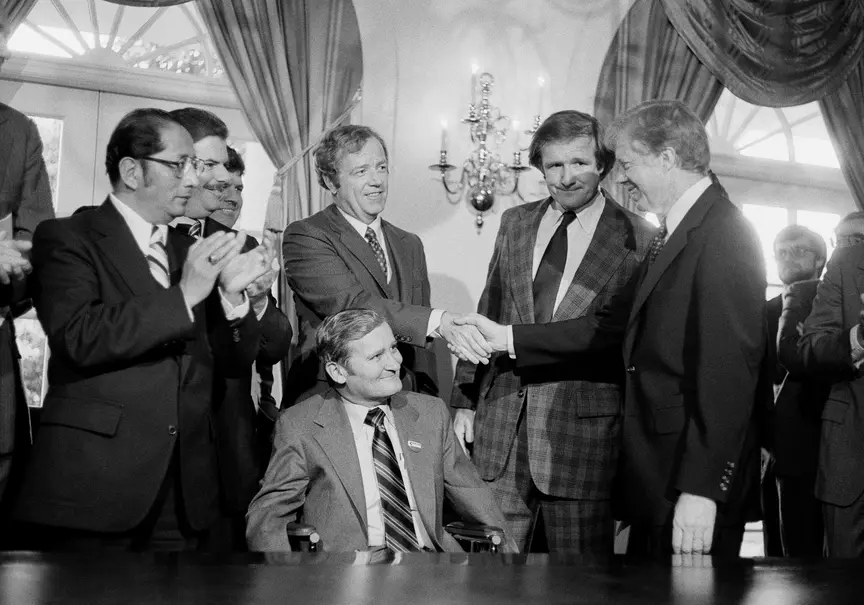

Origins and Evolution of the Southern Poverty Law Center The Southern Poverty Law Center (SPLC) was founded in 1971 by Morris Dees and Joe Levin in Alabama during a pivotal period for civil rights in the United States. Initially focused on providing legal representation to poor and marginalized communities, the organization played a role in advancing desegregation in public institutions and law enforcement. Over time, its mission expanded beyond courtroom litigation to include monitoring extremist groups nationwide.
Expansion into Monitoring Extremism By the 1980s, the SPLC had launched initiatives such as “Klanwatch,” which tracked groups like the Ku Klux Klan. This effort evolved into its broader “Intelligence Project,” dedicated to analyzing and documenting extremist organizations and movements. While this work has made the SPLC influential, it has also drawn criticism, particularly from those who argue that its classifications of extremist groups can reflect political bias.
Funding and Influence The SPLC has grown into one of the wealthiest nonprofits in its field, supported largely by donations that have built a substantial endowment. This funding underpins its legal advocacy, research initiatives and widely referenced publications, including its “hate map,” which tracks extremist activity across the United States.
Current Legal Allegations The organization is now facing federal fraud charges brought by the U.S. Department of Justice under acting Attorney General Todd Blanche. Prosecutors allege that the SPLC misled donors by raising funds to combat extremism while secretly paying informants embedded within extremist groups such as the Aryan Nations and the National Socialist Party of America. The indictment claims that more than $3 million was distributed through this program over nearly a decade without disclosure to donors.
SPLC Defense and Legal Debate The SPLC disputes these allegations, stating that the informant program was a legitimate effort to monitor and prevent extremist violence. CEO Bryan Fair said that information gathered through such efforts was often shared with law enforcement agencies like the Federal Bureau of Investigation. The organization argues that maintaining confidentiality was essential to protect informants and ensure operational effectiveness. Legal experts note that the case is unusual, focusing not on personal enrichment but on whether the nonprofit misrepresented how it used donor funds.
Political Context and Broader Implications The SPLC has long been a subject of political debate, particularly among conservatives who argue it unfairly labels certain groups as extremist. Tensions have intensified in recent years, including criticism from figures such as FBI Director Kash Patel, who described the organization as partisan. Supporters, however, view the SPLC as a critical watchdog against hate and extremism. The case underscores broader questions about transparency, accountability and the balance between secrecy and public trust in nonprofit operations.
Ongoing Legal Process The case remains unresolved and will be decided through the judicial process. Its outcome will depend on whether prosecutors can demonstrate intentional deception or whether the SPLC’s actions are deemed lawful within the context of sensitive investigative work. The decision could have significant implications for how nonprofits conduct and disclose similar activities in the future.