India Extends Free Cancer Treatment to All Stages Under Ayushman Bharat
March 20, 2026

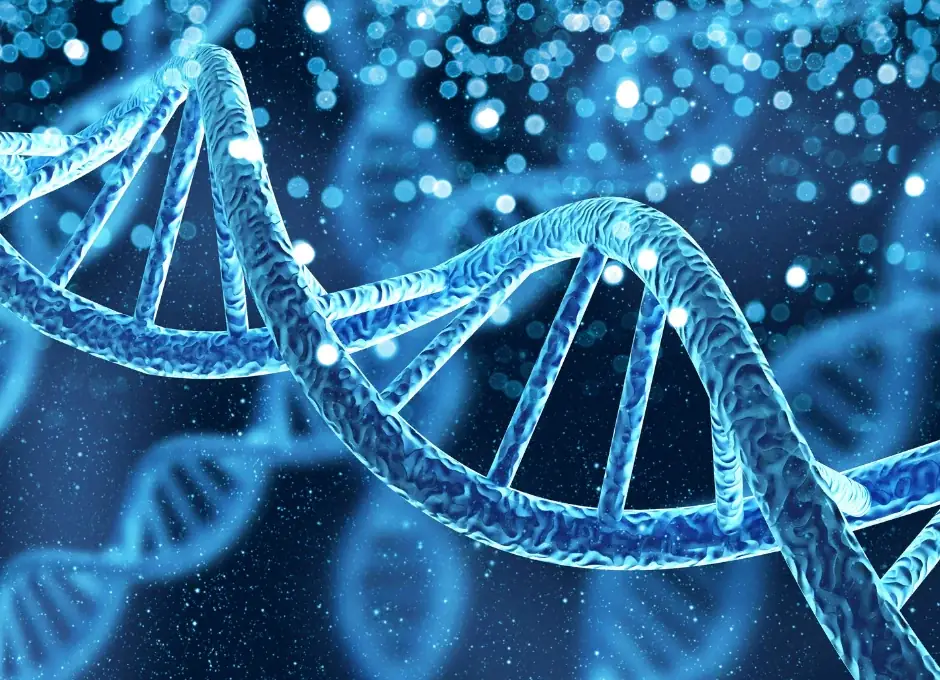
Scientists complete the first full human epigenome map across 33 cell types, opening a new era of epigenetic medicine and gene control.

Scientists complete the first full human epigenome map across 33 cell types, opening a new era of epigenetic medicine and gene control.
An international consortium of over 500 scientists from 25 countries published the first complete reference map of the human epigenome — the system of chemical modifications that control how genes are expressed without changing the underlying DNA sequence — in a landmark series of papers in Nature. The Human Epigenome Project mapped over four billion epigenetic marks across 33 distinct human cell types, creating a reference atlas that scientists can use to understand why the same gene behaves differently in brain cells versus liver cells versus immune cells. The discovery opens the possibility of epigenetic medicines that switch on or off specific genes involved in cancer, ageing, autoimmune disease, and psychiatric disorders without permanently altering the genome. India participated through six institutions including IISc, IGIB, and NCBS. Pharmaceutical companies worldwide are already investing in epigenetic drug discovery programmes based on the new atlas, with the first clinical candidates expected by 2028.
Charles C. James is a Senior Political Correspondent with over a decade of experience covering Capitol Hill, federal policy, and national elections across the United States.


March 5, 2026