

Divergent expectations regarding interest rates and central bank policies have caused the US currency to weaken in international markets. In reaction to a currency environment that is increasingly influenced by disparate economic conditions across major economies, traders and businesses are modifying their methods.
While other central banks maintain or raise rates, investors have taken recent Federal Reserve comments and inflation statistics as suggesting that US interest rate rises may pause. A weaker dollar is a result of this divergence in monetary policy, which affects both corporate financial planning and international trade.
US exporters profit from a declining currency since American products are more affordable in international markets. To capitalize on currency movements, businesses with sizable international sales are modifying their predictions and hedging plans. On the other hand, increased costs for importers force some businesses to reconsider their sourcing and supply chain strategy.
Currency swings are a significant consideration in business decision-making, according to financial professionals. A top market expert stated that "dollar weakness affects everything from pricing and supply chains to investment and capital allocation." "To maintain profitability and competitiveness, businesses must incorporate currency expectations into their planning."
Commodity markets are also affected by a weaker dollar. Commodities denominated in dollars, like gold and oil, are reacting to changes in exchange rates, which affects corporate expenses and investor behavior. Businesses in the manufacturing, materials, and energy industries are keeping a careful eye on these trends in order to control costs and streamline processes.
Additionally, foreign investors are readjusting their portfolios in an effort to find profits in areas with more stable currencies or greater rates. This international capital flow emphasizes how intertwined markets are in determining corporate strategy and adds to dollar volatility.
Businesses are putting more of an emphasis on proactive planning, even though policy expectations, differences in economic growth, and geopolitical developments all affect the dollar's outlook. Careful financial management, diversified sourcing, and hedging techniques are crucial instruments for navigating the uncertainties brought on by currency fluctuations.
In general, dollar weakness emphasizes how crucial it is for businesses to take macroeconomic trends into account when making decisions. Businesses are better positioned to manage risk, stay competitive, and seize opportunities in a changing global economy when their business planning takes into account currency forecasts, interest rate trends, and foreign market circumstances.
Dollar Weakness Highlights Diverging Rate Outlooks
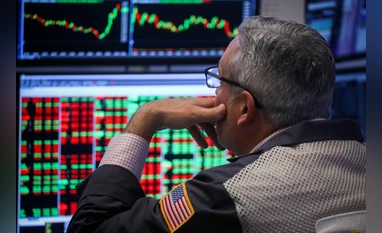
The US dollar weakened as investors reacted to diverging interest rate expectations. The shift is influencing business planning and investment strategies, with companies adjusting to a currency environment that favors exports while affecting import costs.






Dollar Weakness Highlights Diverging Rate Outlooks
"The only limit to our realization of tomorrow is our doubts of today."
From - Franklin D. Roosevelt


Just for You
 BUSINESS
Dow, S&P 500 Finish Higher as U.S. Stocks Kick Off February
U.S. stock markets opened February on a strong note, with the Dow and S&P 500 posting gains as easing AI trade...
 BUSINESS
U.S. Companies Rework Growth Plans as Economic Momentum Slows
U.S. companies are revising growth strategies as slowing economic momentum, tighter labor markets, and inflati...
 BUSINESS
Health Insurers Drag Dow, but S&P 500 Hits New Record
U.S. stocks ended mixed as health insurers pulled the Dow lower, while strength in technology and consumer sha...
 BUSINESS
Global Businesses Adjust Strategies After Fresh U.S. Inflation Data
Global businesses recalibrated pricing, investment, and expansion plans after fresh U.S. inflation data signal...
Leave a Comment
Your email address will not be published. Required fields are marked *
BuzzStream
Live, Breaking News Theme