Discussion around the independence of the U.S. Federal Reserve is gaining renewed momentum as the dollar weakens, drawing attention to the delicate relationship between monetary policy, political pressure, and market confidence. Currency moves that might once have passed quietly are now feeding a broader debate about how insulated the central bank should remain from political influence during periods of economic transition.
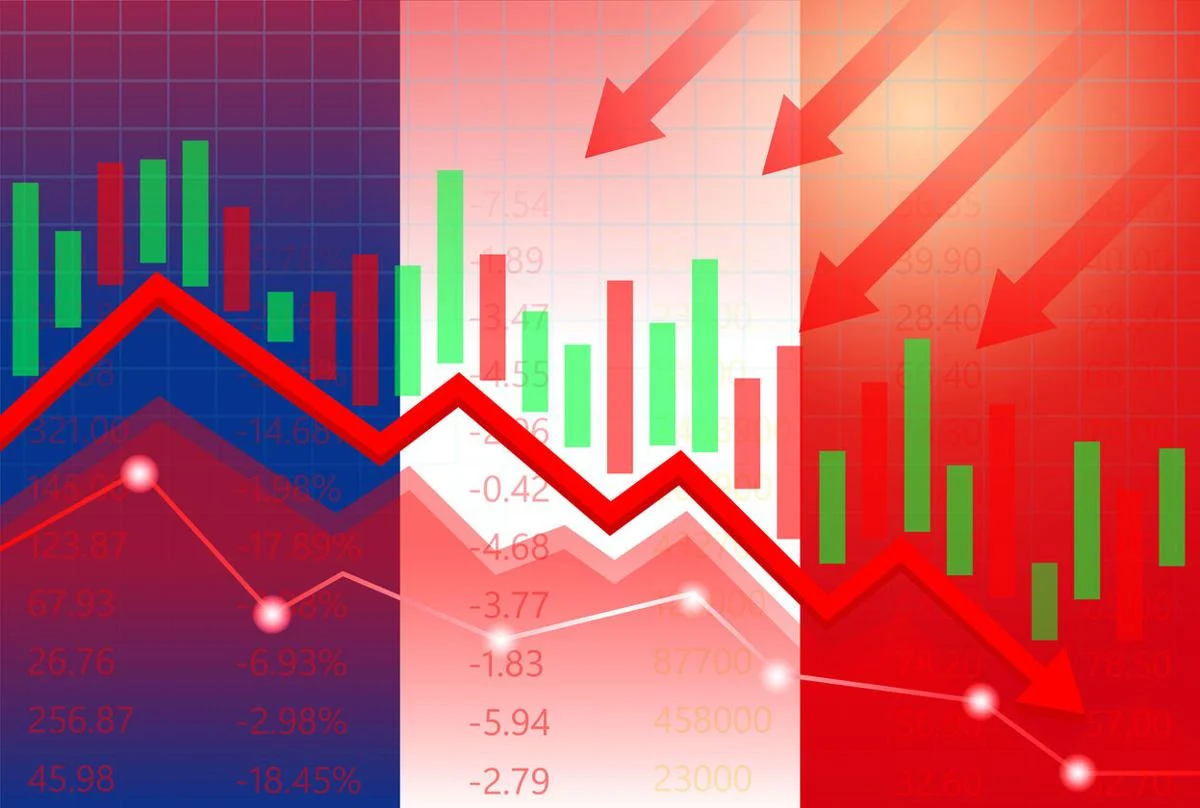
The recent slide in the dollar has coincided with shifting expectations around interest rates, amplifying scrutiny of Federal Reserve decision-making. While currency weakness can reflect global factors such as relative growth prospects and interest rate differentials, it also carries symbolic weight in political discourse. For lawmakers and commentators, the dollar often serves as a shorthand measure of economic strength and institutional credibility.
Federal Reserve officials have repeatedly emphasized their commitment to independence, framing policy decisions as strictly data-driven. Inflation trends, labor market conditions, and financial stability indicators remain the core inputs guiding rate policy. However, as markets increasingly price in eventual rate cuts, public commentary has become more sensitive, with even routine remarks closely analyzed for political undertones.
On Capitol Hill, the dollar’s decline has prompted contrasting interpretations. Some lawmakers argue that currency weakness reflects investor confidence in easing inflation and future growth, suggesting that monetary policy is working as intended. Others warn that sustained dollar softness could raise import costs, complicate inflation control, and erode global confidence in U.S. financial leadership.
Economists note that debates over Fed independence often intensify during turning points in the economic cycle. As policy shifts from restraint toward potential easing, the risk of perceived political influence grows. Maintaining a clear boundary between elected officials and central bankers becomes especially important when rate decisions have broad fiscal and electoral implications.
The global dimension adds further complexity. Other major central banks are also reassessing policy paths, creating a fragmented landscape for currencies. The dollar’s movement reflects not only domestic policy expectations but also relative positioning against peers. Still, political narratives tend to focus inward, linking currency performance to domestic governance and institutional strength.
Market participants are acutely aware of these dynamics. Investors value central bank independence as a foundation of long-term stability, and any suggestion of political interference can unsettle markets. Bond yields, equity valuations, and capital flows all respond to perceived shifts in credibility, making communication strategy a critical tool for policymakers.
Federal Reserve leadership has sought to reinforce its autonomy through consistent messaging. Officials stress that political considerations do not factor into policy decisions, even as they acknowledge the real-world impact of rates on households, businesses, and government finances. This balance—recognizing economic pain without responding to political pressure—remains central to the Fed’s institutional role.
Public confidence is another key element. For many Americans, debates about central bank independence are abstract, but their effects are tangible through borrowing costs, inflation, and employment. A weakening dollar can heighten public concern, even when underlying economic fundamentals remain stable. Clear communication is therefore essential to prevent misunderstanding and misplaced blame.
Looking ahead, analysts expect the conversation around Fed independence to persist as long as the dollar remains under pressure and rate expectations continue to evolve. Election-year dynamics and fiscal debates may further intensify scrutiny, increasing the challenge of maintaining a clear separation between monetary policy and politics.
Ultimately, the growing focus on Federal Reserve independence reflects broader anxieties about economic direction and institutional trust. As the dollar adjusts to shifting global and domestic conditions, the Fed’s ability to demonstrate credibility, consistency, and independence will remain central to maintaining confidence in U.S. economic leadership.