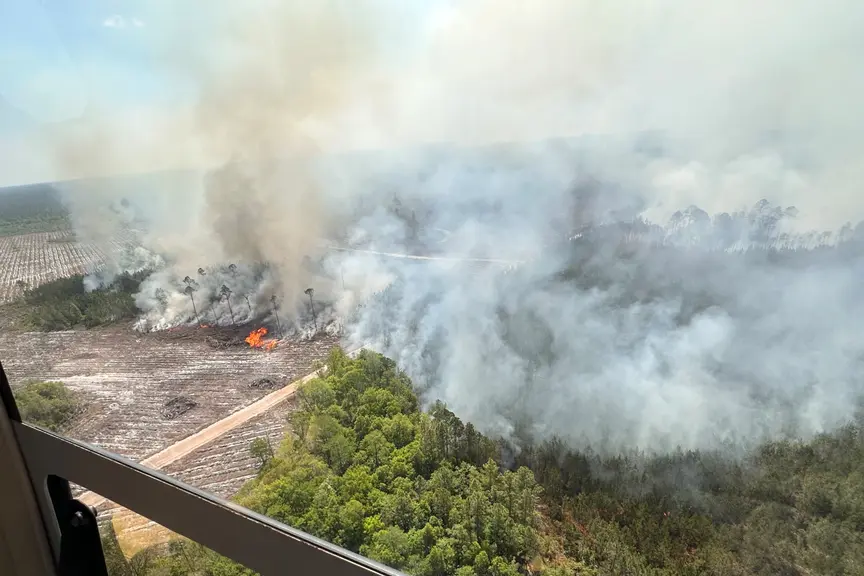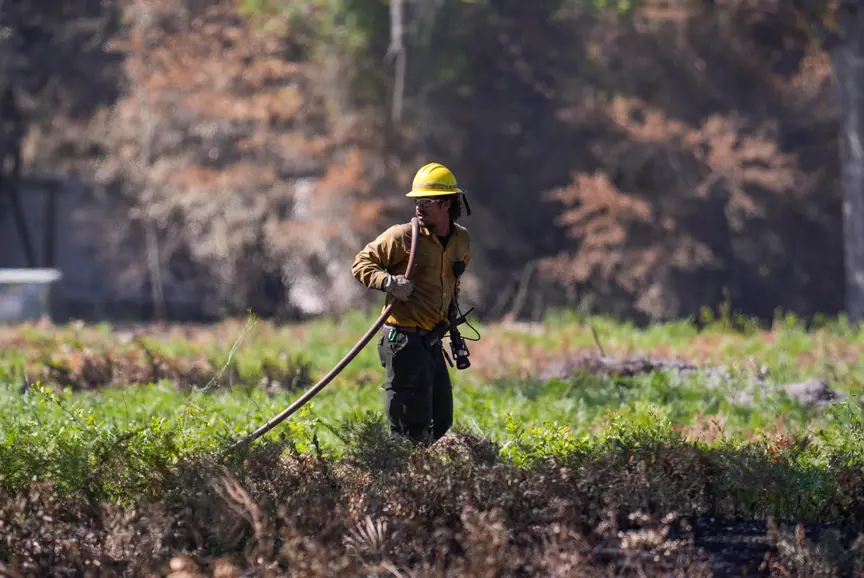

Scientists warn that global warming is putting the world’s plant life at severe risk, with tens of thousands of species likely to disappear before the end of the century. A study published in the journal Science found that between 7% and 16% of plant species could lose at least 90% of their habitats within the next 55 to 75 years under moderate carbon pollution scenarios. Researchers estimate this could affect roughly 35,000 to 50,000 plant species, with even greater losses if emissions continue to rise sharply.
According to study co-author Xiaoli Dong of the University of California Davis, warming temperatures and changing rainfall patterns are the main drivers of extinction. Researchers used extensive climate and biology computer models to study the future of about 18% of the world’s plant species. The findings showed that even if plants migrate as quickly as possible toward cooler climates, extinction risks remain high because the habitats they depend on may disappear entirely.
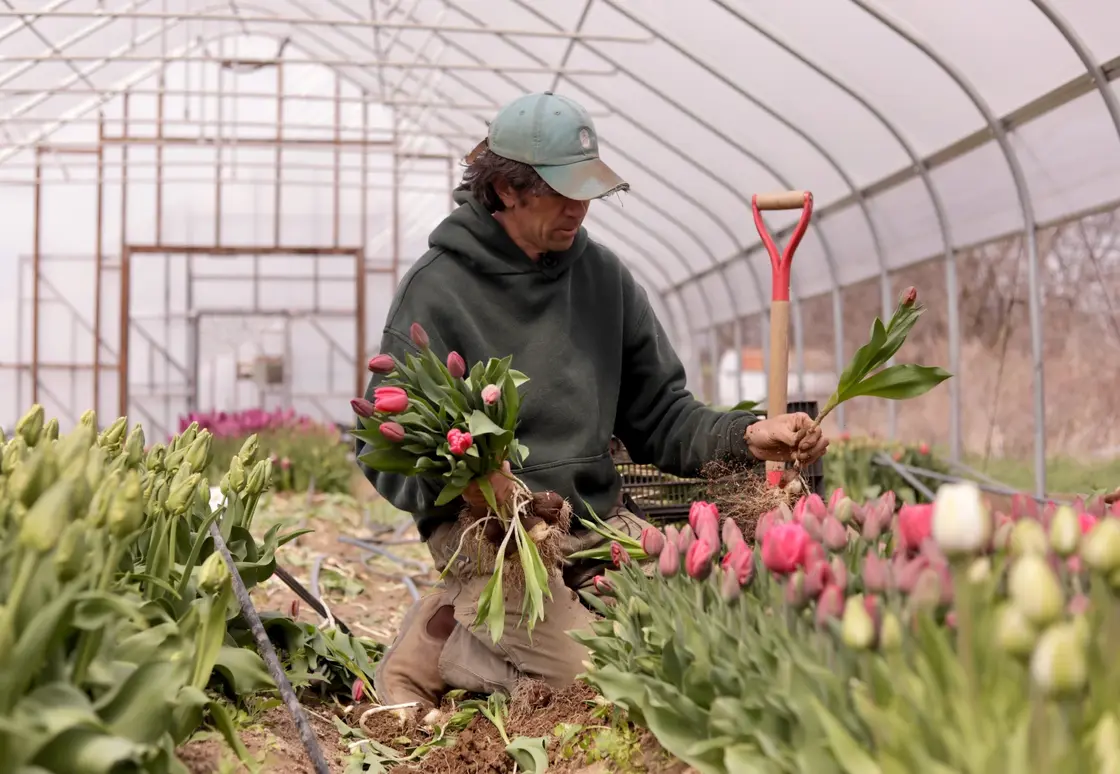
Dong explained the problem using tulips as an example: climate change shifts the right temperature, rainfall and soil conditions in different directions, leaving only tiny areas where the plant can survive. Scientists say the Arctic, Mediterranean and Australia are especially vulnerable because of rapid warming and changing rainfall patterns.
Rare Flowering Plants Face Immediate Danger
A second study published in Science examined current extinction risks for flowering plants, a group that includes more than 335,000 species. Researchers from Kew Gardens in the United Kingdom found that nearly 10,000 flowering plants are already at risk of extinction. Many are evolutionarily unique, meaning their disappearance would erase major branches of Earth’s biological history.
The study highlighted unusual plants such as titan arum — known as the world’s smelliest plant — and the orchid species that produces vanilla. Lead author Felix Forest said the research used a 20-year conservation prioritization system that focuses on preserving species with the most distinct evolutionary histories.
Unlike species that have many close relatives, some plants stand alone on the evolutionary tree. One example is Ginkgo biloba, which has no close living relatives and represents hundreds of millions of years of evolution. Researchers warned that losing these species would mean losing irreplaceable biological diversity.
Scientists Say Plants Are Often Overlooked
Researchers emphasized that plant extinction receives far less public attention than animal extinction, despite plants being essential for ecosystems and human survival. Felix Forest said humans are naturally drawn to animals, especially “fluffy furry things and things with two wings,” while plants are frequently ignored in conservation discussions.
Scientists Rosa Scherson and Federico Luebert said the two studies together demonstrate the urgent need for global conservation efforts. They warned that instability in plant ecosystems could threaten food security and access to basic materials needed for human life.
“Maintaining the current conditions that support human life requires urgent action,” they wrote.